
Ein Monat Bali – was bleibt, wenn man bleibt

Aktualisiert: 14. März
Wie wirkt Bali auf mich nach einem Monat? Kurz gesagt: Bali hat viele Gesichter.
Ich war ehrlich gesagt skeptisch, nochmal nach Bali zu reisen – und dann auch noch fast zwei Monate hierzubleiben. Meine erste Bali-Erfahrung 2017 war nicht die beste, was sicherlich auch der damaligen Beziehungssituation geschuldet war.
Ja, Bali ist voller Scooter. Mehr denn je. Die Städte sind gewachsen, lauter und dichter geworden. Ubud ist stellenweise ein einziges Gewusel aus Rollern, Cafés, Yoga-Studios und Menschen aus aller Welt. Und trotzdem gibt es sie: diese Momente, diese Magie, von der so viele Reisende sprechen. Meist fernab der Hotspots. Nicht dort, wo alle sind, sondern ein paar Schritte daneben.
Die Landschaft ist überwältigend. So grün, dass es fast unwirklich wirkt. Reisfelder, Dschungel, Palmen, Wasserfälle. Dazu diese ständige Geräuschkulisse: Zikaden, Frösche, Vögel, Geckos, Gebete aus den Tempeln, plötzliche tropische Regengüsse und Donner, die so laut sind, dass man kurz innehalten muss. Bali ist nicht leise – aber es hat eine Art, einen trotzdem runterzubringen.
Was mich mindestens genauso berührt wie die Natur, sind die Menschen. Dieses ehrliche Lächeln. Diese Freundlichkeit wirkt nicht aufgesetzt . Egal ob im Warung (kleines einheimisches Restaurant), auf der Straße oder mitten im Nirgendwo – man wird gesehen, gegrüßt, wahrgenommen. Diese Kombination aus Natur und Menschlichkeit ist es, die diese besondere Magie ausmacht. Kennst du dieses Gefühl, wenn dich ein Moment völlig unerwartet trifft? Du schaust auf einen Ausblick, hast ein kurzes Gespräch oder stehst einfach nur im warmen Regen – und plötzlich hast du Tränen in den Augen und gleichzeitig ein riesiges Lächeln im Gesicht. Alles fühlt sich leicht an, ohne dass du genau weißt, warum. Solche Momente erlebe ich hier immer wieder. Und dann wird mir klar: I am living the dream.

Soweit zur Einleitung – und jetzt hinein in meine Zeit auf Bali.
Starten wir mit dem Kapitel Yoga-Ausbildung in Ubud.
Yoga-Ausbildung in Ubud
Ich gebe zu: Ein Teil von mir schämt sich fast ein bisschen, es so offen zu sagen: Ubud, Yoga Teacher Training, 200 Stunden – das klingt schon sehr nach dem Klischee einer weißen Frau Anfang 30 aus dem westlichen Raum. (Und ja, ich spreche hier nur für mich und mein eigenes Empfinden.) Drei Wochen, zack zack, Zertifikat in der Hand – und theoretisch dürfte ich mich jetzt Yoga-Lehrerin nennen, wenn ich das denn wollte.
Lässt man dieses Stereotyp einmal kurz beiseite, bleibt vor allem eines: Ich bin verdammt stolz auf mich, diese drei intensiven Wochen durchgezogen zu haben.
Der Alltag während der Ausbildung war streng getaktet und alles andere als entspanntes Räucherstäbchen-Yoga. Der Tag begann um 07:15 Uhr mit Pranayama (Atemübungen), gefolgt von sehr schweißtreibenden 90 Minuten Vinyasa Flow. Danach endlich Frühstück – und Kaffee, dringend nötig. Um 11:30 Uhr folgte Alignment-Unterricht: Yoga-Positionen erklären, korrigieren, üben. Nach einem gesunden Mittagessen gab es eine kurze Verschnaufspause, bevor es um 15:00 Uhr entweder mit Yoga-Philosophie oder Anatomie Unterricht weiterging. Um 16:45 Uhr stand die letzte Einheit an – Workshops von Yoga Nidra bis Handstandtraining. Danach Abendessen, und abends hieß es trotzdem: Self Study.
Eindrücke meiner intensiven Yoga Zeit
Die Tage waren lang, körperlich fordernd und mental mindestens genauso anspruchsvoll. Für mich war es zudem eine große Herausforderung, wieder Teil einer großen Frauengruppe zu sein (immerhin ein Mann war in unserer Gruppe). Seit meinem Realschulabschluss war ich nicht mehr in einer solchen Frauendynamik unterwegs. Es war ungewohnt, manchmal anstrengend, aber gleichzeitig unglaublich wohltuend, wieder so unter Frauen zu sein – ein kompletter Kontrast zu meinem eigentlichen Berufsalltag. Leicht war es für mich definitiv nicht: die körperliche Anstrengung, die mentale Konzentration, alles auf Englisch, soziale Interaktion in einer großen Gruppe – und das alles bei tropischer Hitze. Ständiges Schwitzen, egal ob ich mich bewege oder nur da sitze. Dazu die Kunst, genug zu trinken, mir keinen Zug zu holen und den Kopf halbwegs klar zu behalten. Ich durfte meine Komfortzone oft verlassen. Aber genau daran wächst man ja bekanntlich. Und ja – ich habe es geschafft. Ich habe neue Freundschaften geknüpft und das 200h Yoga Teacher Training mit Zertifikat abgeschlossen. (Falls mehr Interesse an der Ausbildung besteht, schreibt mir gern – dann verfasse ich einen eigenen Blogbeitrag dazu.)
Unterwegs zwischen Abschieden, Reisfeldern und Wasserfällen
Die letzten Tage in Ubud habe ich mit einem Freund aus Deutschland verbracht. Es tat unglaublich gut, ein bekanntes Gesicht zu sehen, sich vertraut auszutauschen. Wir haben uns ein Jahr nicht gesehen – und ein Depressionsjahr bringt bekanntlich einiges an Gesprächsstoff mit sich.
Dann hieß es auch schon wieder Abschied nehmen: von meinen Yoga-Freunden, von meinem deutschen Buddy und von Ubud. Denn Penebel wartete auf mich – mit den großen Reisterrassen, die zum UNESCO-Welterbe gehören. In Penebel ist es ruhig, fast verschlafen. Regensaison und Low Season sorgen für wenig Verkehr und wenig Trubel. Dafür gibt es weite Landschaften und Reisfelder, so weit das Auge reicht. Eine perfekte Gegend, mich wieder ans Rollerfahren zu wagen. Ich war definitiv hier und da ein Verkehrshindernis – und musste oft laut über mich selbst lachen. Besonders beim Starten des Rollers, was mir hier und da schwer viel. Wie ironisch, wenn ich bedenke, dass ich früher beruflich für den Motorstart verantwortlich war. Eine Prise Humor über sich selbst schadet bekanntlich ja nie.
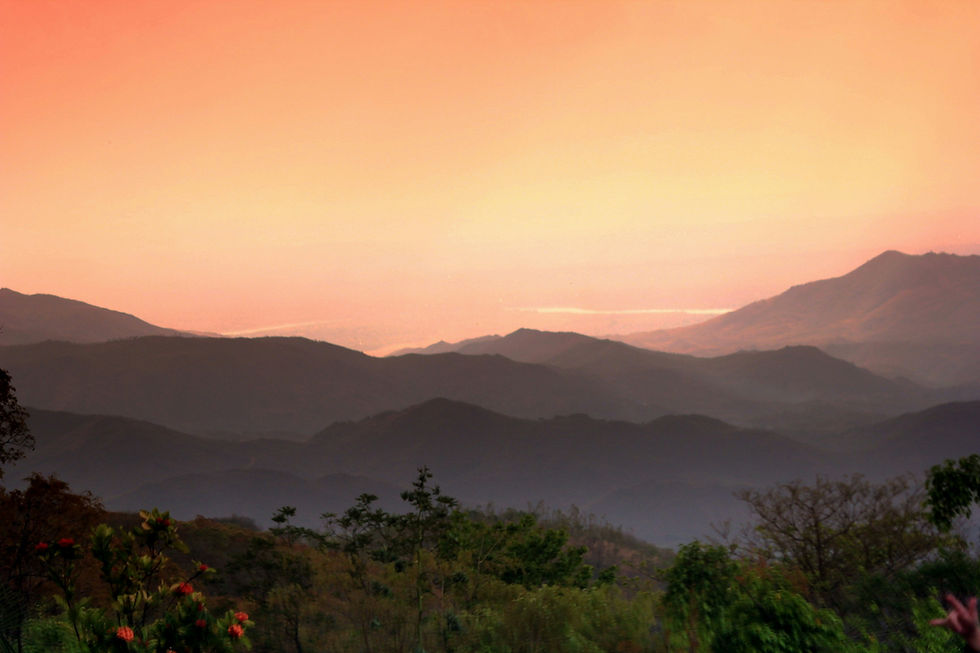
Von Penebel ging es weiter in den Norden nach Munduk, zu Wäldern und Wasserfällen. Die Luft ist hier kühler (endlich schlafe ich wieder besser), die Landschaft bergig und mystisch mit tiefhängenden Wolken. Hier komme ich endlich zum Wandern und das Beste zwischendurch werde ich von den Wasserfällen abgekühlt. Nach dieser Wasserfallwanderung wage ich es mich nun Wasserfallexpertin nennen zu dürfen :-)
Manche Wasserfälle stürzen aus einer hohen Höhe in die Tiefe, ganz schmal dafür mit einer riesigen Wucht und Kraft, so dass es unten richtig stark windet und man ohne zu schwimmen gut nass wird. Andere wiederum sind ganz breit und soft, so dass man sich darunter stellen kann und eine gratis Massage bekommt. Paar sind einfach und andere beeindrucken schon fast gar nicht mehr. Und dann gibt es noch die, die einen wunderschönen natürlichen Pool haben, so dass man sich herrlich abkühlen und schwimmen kann.
Eine kleine Auswahl der Wasserfalltour
Privileg, Realität und Reflexion
In Munduk wird mir zum ersten Mal so richtig bewusst, wie stark die Menschen hier vom Tourismus abhängig sind. Die Freundlichkeit ist ehrlich – und doch spüre ich oft die Hoffnung auf Arbeit, wenn ich gesehen werde.
Für viele von uns ist Bali ein Traumziel, ein Sehnsuchtsort. Für viele Einheimische ist es einfach ihr Leben – und eines, aus dem es nicht leicht ist wegzukommen. Viele verdienen gerade genug zum Leben, aber zu wenig für echte Bewegungsfreiheit. Mir wird hier durch die vielen Begegnungen und Gespräche mit Einheimischen und Reisenden immer mehr und mehr bewusst, was für ein privilegiertes Leben ich führe. Ich reise als weiße europäische Frau mit einem der mächtigsten Reisepässe der Welt und finanzieller Freiheit. In der Bubble, in der ich zu Hause lebe, vergesse ich dieses Privileg oft – ebenso wie das Sicherheitsnetz und die Versorgung in Deutschland. Wenn meine Reise scheitert, werde ich aufgefangen. Ich kann jederzeit zurückkehren. Ich weiß, da ist ein System, das mich trägt. Auch Dinge wie Trinkwasser aus dem Hahn, hohe Hygienestandards oder ein funktionierendes Gesundheitssystem erscheinen uns als selbstverständlich – das ist es aber für ganz viele Menschen der Welt nicht. In Deutschland mache ich mir keine Gedanken darüber, ob das Essen im Restaurant sicher ist oder ob ich lieber gewisse Dinge meiden sollte. Zuhause kann ich den Wasserhahn aufdrehen und das Wasser einfach trinken. Ich habe ein WC auf dem ich fast schon gemütlich platz nehmen kann und fließendes Wasser aus dem Spülkasten befördert alles weg.
Allein als Frau auf Bali zu reisen fühlt sich für mich sicher an. Die Menschen sind freundlich, respektvoll und hilfsbereit. Auch abseits touristischer Gegenden hatte ich bisher kein unangenehmes Gefühl. Natürlich gibt es Menschen, die etwas verkaufen wollen – ein klares Nein und Kopfschütteln reicht meist aus. Und ja, ich bin mit gesunder Aufmerksamkeit unterwegs (um meine Tanten an dieser Stelle zu beruhigen).
Fazit
Bali ist kein Ort, den man einfach „abhakt“. Es ist eine Insel, die fordert und gleichzeitig trägt. Bali ist lebendig. Laut und leise zugleich. Farbenfroh, chaotisch und ruhig. Sauber und schrecklich dreckig. Gläubig, spirituell, touristisch – und gleichzeitig überraschend authentisch. Alles auf einmal. Bali ist kein perfektes Paradies. Bali ist widersprüchlich, manchmal anstrengend, oft überfordernd und vielleicht berührt es mich deshalb so. Wer hier reist, sollte bereit sein, sich einzulassen – auf die Natur, die Menschen und auch auf sich selbst.
Nach einem Monat merke ich: Diese Reise tut gut. Sie ist nicht immer leicht, aber ehrlich. Und genau das macht Bali so besonders.
-- English Version --
One Month in Bali – What Stays With You When You Stay
How does Bali feel to me after one month? In short: Bali has many faces.
To be honest, I was skeptical about traveling to Bali again – and then also staying here for almost two months. My first Bali experience in 2017 wasn’t the best, which was certainly also influenced by the relationship situation I was in at the time.
Yes, Bali is full of scooters. More than ever. The towns have grown, become louder and more crowded. Ubud in particular is, in places, a constant bustle of scooters, cafés, yoga studios and people from all over the world. And yet they exist: those moments, that magic that so many travelers talk about. Usually far away from the hotspots. Not where everyone is, but just a few steps to the side.
The landscape is overwhelming. So green that it almost feels unreal. Rice fields, jungle, palm trees, waterfalls. And then there is the constant soundscape: cicadas, frogs, birds, geckos, prayers from the temples, sudden tropical downpours and thunder so loud that you briefly have to pause. Bali is not quiet – but it has a way of calming you down anyway.
What touches me just as much as the nature are the people. This honest smile. This friendliness doesn’t feel forced. Whether in a warung (a small local restaurant), on the street, or in the middle of nowhere – you are seen, greeted, acknowledged. This combination of nature and humanity is what creates this special magic. Do you know that feeling when a moment hits you completely unexpectedly? You look at a view, have a short conversation, or simply stand in the warm rain – and suddenly you have tears in your eyes and at the same time a huge smile on your face. Everything feels light without you quite knowing why. I experience moments like that here again and again. And then it becomes clear to me: I am living the dream.
So much for the introduction – and now into my time in Bali.
Let’s start with the chapter: Yoga Teacher Training in Ubud.
Yoga Teacher Training in Ubud
I admit it: a part of me almost feels a little embarrassed to say it so openly. Ubud, Yoga Teacher Training, 200 hours – it does sound very much like the cliché of a white woman in her early thirties from the Western world. (And yes, I am only speaking for myself and my own feelings here.) Three weeks, done and done, certificate in hand – and theoretically I could now call myself a yoga teacher, if I wanted to.
If you set that stereotype aside for a moment, one thing remains above all: I am damn proud of myself for getting through these three intense weeks.
Daily life during the training was strictly scheduled and anything but relaxed incense-stick yoga. The day started at 07:15 a.m. with pranayama (breathing exercises), followed by a very sweat-inducing 90 minutes of Vinyasa Flow. After that, finally breakfast – and coffee, urgently needed. At 11:30 a.m. there was alignment class: explaining, correcting and practicing yoga positions. After a healthy lunch there was a short break before classes continued at 3:00 p.m. with either yoga philosophy or anatomy. At 4:45 p.m. the final session of the day took place – workshops ranging from Yoga Nidra to handstand training. After that came dinner, and in the evening it was still time for self-study.
The days were long, physically demanding and mentally at least just as challenging. For me it was also a big challenge to once again be part of a large group of women (although we did have one man in our group). Since graduating from secondary school, I had not been part of such a female group dynamic. It was unfamiliar, sometimes exhausting, but at the same time incredibly comforting to be among so many women again – a complete contrast to my usual professional environment.
It definitely wasn’t easy for me: the physical effort, the mental concentration, everything in English, social interaction in a large group – and all of this in tropical heat. Constant sweating, whether I was moving or just sitting still. Then the art of drinking enough water, not catching a chill and keeping my head reasonably clear. I had to leave my comfort zone quite often. But that’s how you grow, as they say. And yes – I did it. I made new friendships and completed the 200-hour Yoga Teacher Training with a certificate. (If there is more interest in the training, feel free to write to me – then I will write a separate blog post about it.)
Between Farewells, Rice Fields and Waterfalls
I spent my last days in Ubud with a friend from Germany. It felt incredibly good to see a familiar face and to talk openly again. We hadn’t seen each other for a year – and as we all know, a year of depression brings quite a lot of conversation topics.
Soon it was time to say goodbye again: to my yoga friends, to my German buddy and to Ubud. Because Penebel was waiting for me – with its large rice terraces that belong to the UNESCO World Heritage.
Penebel is quiet, almost sleepy. The rainy season and the low season mean little traffic and little hustle and bustle. Instead there are wide landscapes and rice fields as far as the eye can see. A perfect area to try riding a scooter again. I was definitely a bit of a traffic obstacle here and there – and often had to laugh loudly at myself. Especially when starting the scooter, which sometimes proved difficult for me. How ironic, considering that in my previous job I was responsible for starting engines. A bit of humor about oneself never hurts.
From Penebel I continued north to Munduk, to forests and waterfalls. The air here is cooler (finally I sleep better again), the landscape mountainous and mystical with low-hanging clouds. Here I finally get to go hiking – and the best part is that I get cooled down by waterfalls along the way. After this waterfall hike I now dare to call myself a waterfall expert :-)
Some waterfalls plunge down from great heights, very narrow but with enormous force and power, so that at the bottom it becomes very windy and you get properly wet even without swimming. Others are very wide and soft, so that you can stand underneath them and get a free massage. Some are simple and others hardly impress you anymore. And then there are those that have a beautiful natural pool where you can cool off and swim wonderfully.
Privilege, Reality and Reflection
In Munduk I realize for the first time how strongly the people here depend on tourism. The friendliness is genuine – and yet I often sense the hope for work when I am noticed.
For many of us, Bali is a dream destination, a place of longing. For many locals, it is simply their life – and one that is not easy to leave. Many earn just enough to live, but too little for real freedom of movement.
Through the many encounters and conversations with locals and travelers, I become more and more aware of what a privileged life I live. I travel as a white European woman with one of the most powerful passports in the world and with financial freedom. In the bubble in which I live at home, I often forget this privilege – just like the safety net and social support in Germany.
If my journey fails, I will be caught. I can return at any time. I know there is a system that supports me. Even things like drinking water from the tap, high hygiene standards or a functioning healthcare system seem normal to us – but for many people in the world they are not.
In Germany I never think about whether the food in a restaurant is safe or whether I should avoid certain things. At home I can simply turn on the tap and drink the water. I have a toilet where I can almost sit comfortably and flushing water carries everything away.
Traveling alone as a woman in Bali feels safe to me. People are friendly, respectful and helpful. Even away from tourist areas I have not had any uncomfortable experiences so far. Of course there are people who want to sell something – but a clear “no” and a shake of the head is usually enough. And yes, I travel with healthy awareness (to reassure my aunts at this point).
Conclusion
Bali is not a place you simply “check off.” It is an island that challenges you and at the same time supports you.
Bali is alive. Loud and quiet at the same time. Colorful, chaotic and calm. Clean and terribly dirty. Faithful, spiritual, touristic – and at the same time surprisingly authentic. Everything at once.
Bali is not a perfect paradise. Bali is contradictory, sometimes exhausting, often overwhelming – and maybe that is exactly why it touches me so much.
Anyone who travels here should be willing to truly engage – with nature, with the people and also with themselves.
After one month I notice: this journey is good for me. It is not always easy, but it is honest. And that is exactly what makes Bali so special.


Kommentare